

What Are You Looking For?
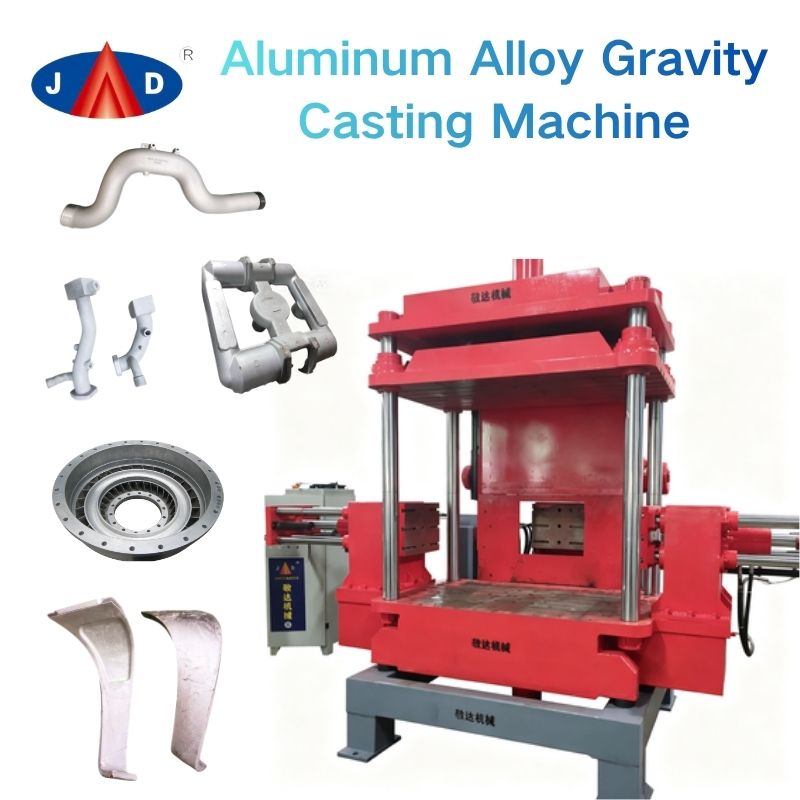
The tilting motion of a gravity casting machine is executed by a drive system; the choice of drive mechanism influences the smoothness of the tilting action, the precision of speed control, and daily energy consumption. Common drive solutions include hydraulic and servo-driven systems, each suited t...
Read MoreFoundries often handle orders involving a variety of aluminum alloy grades. A pump housing might be cast in A356 one day, while a bracket is cast in ADC12 the next; these alloys differ significantly in terms of fluidity, solidification characteristics, and required pouring temperatures. A gravity ca...
Read More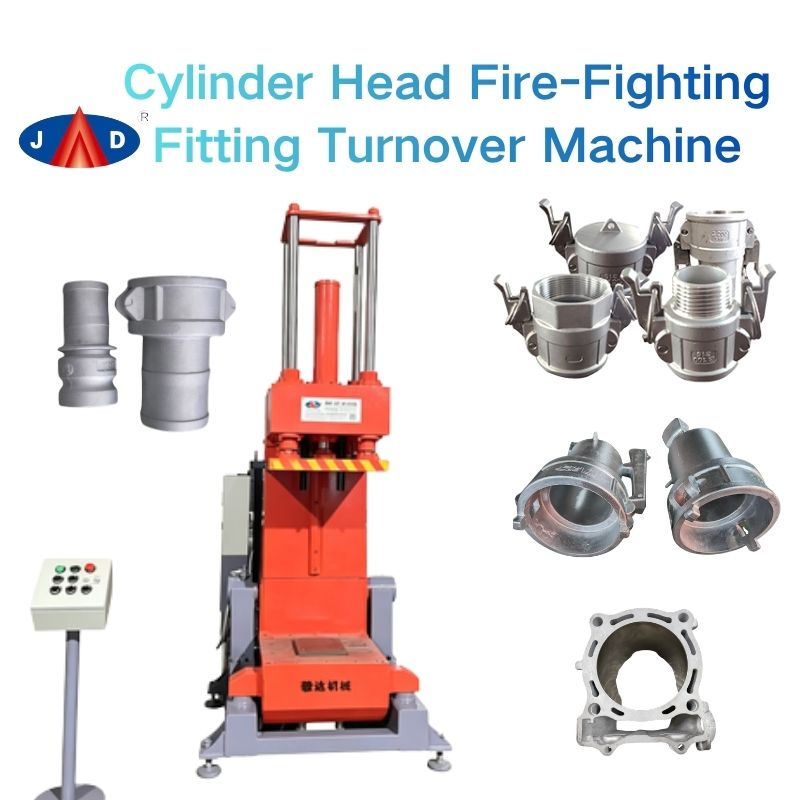
Since 2026, the global gravity casting industry has entered a new phase of structural transformation and upgrading. Driven by advancements in lightweight alloy technology and deep integration with the Industrial Internet of Things (IIoT)—alongside robust demand from the new energy vehicle (NEV...
Read More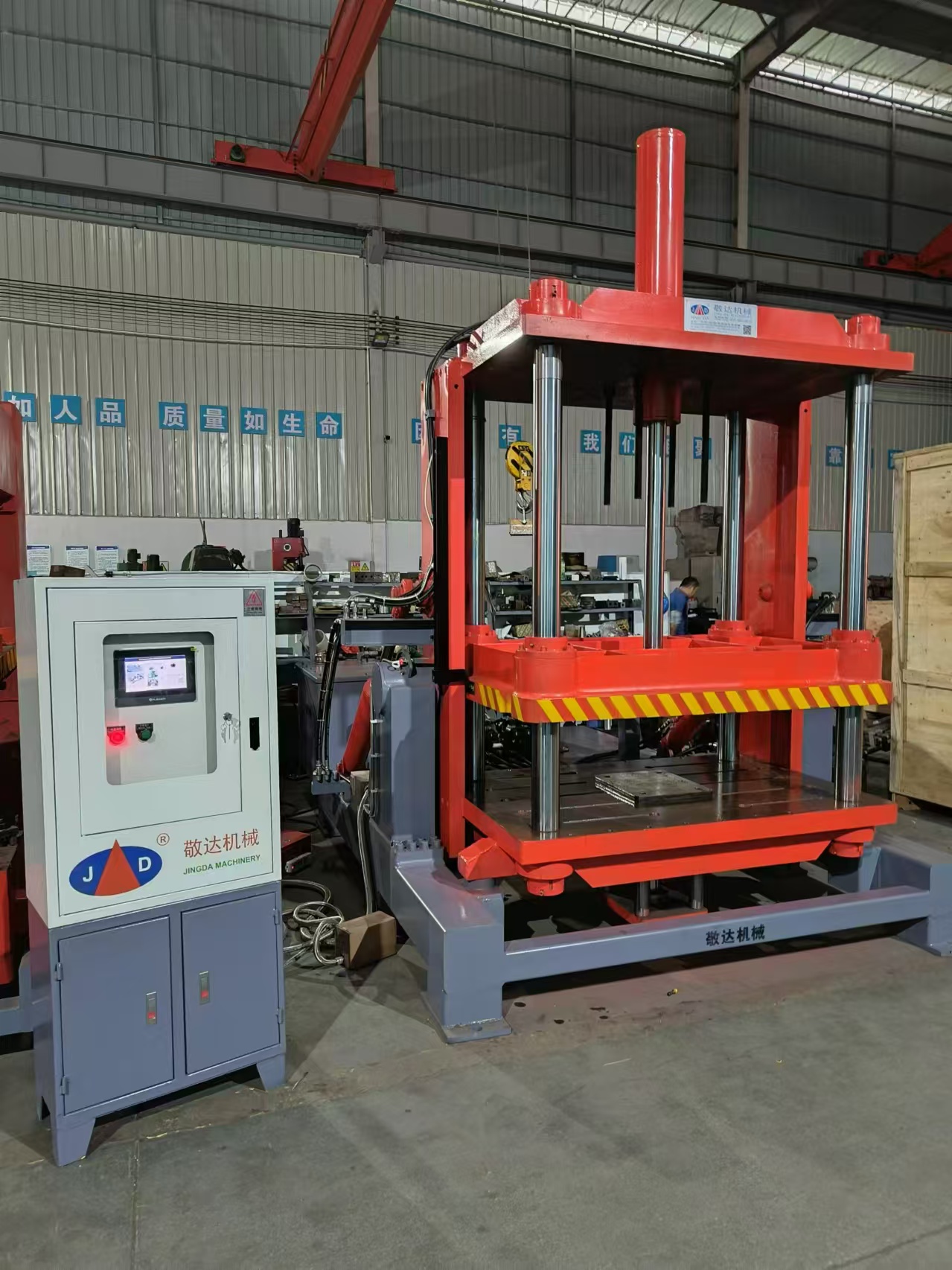
Introduction The trend toward lightweighting in new energy vehicles (NEVs) continues to reshape the aluminum alloy casting sector. Gravity casting—traditionally used for cylinder heads and intake manifolds—is expanding into structural components for NEVs, such as motor housings an...
Read More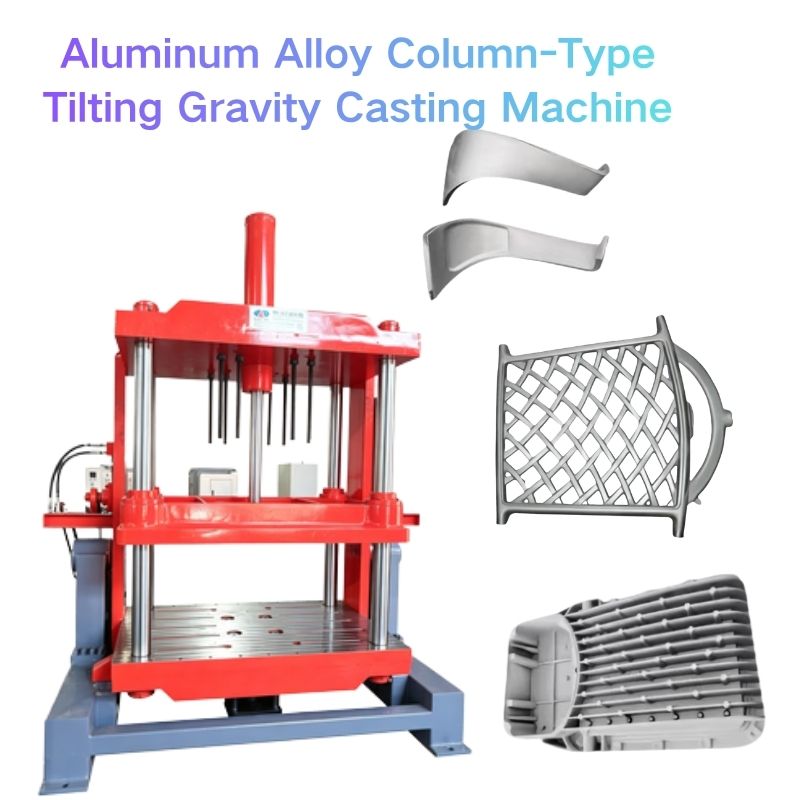
Southeast Asia is quickly turning into one of the fastest‑growing markets for aluminum gravity die‑casting machines, pushed by regional electric‑vehicle expansion, supply‑chain relocation and local manufacturing upgrading over the past 12 months. Thailand, Indonesia and Vietnam stand out as three co...
Read More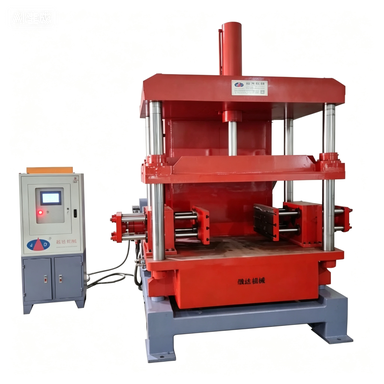
Porosity is the most common defect in gravity casting of aluminum alloys. Holes inside or on the surface of the casting can directly cause product leakage and scrap. Porosity is mainly divided into precipitated porosity formed by hydrogen precipitation from dissolved aluminum liquid, and entrapped p...
Read More
The global market overview of the Gravity Casting Machines Market provides a unique perspective on the key trends influencing the industry worldwide and in major markets. Compiled by our most experienced analysts, these global industrial reports offer insights into critical industry performance tren...
Read More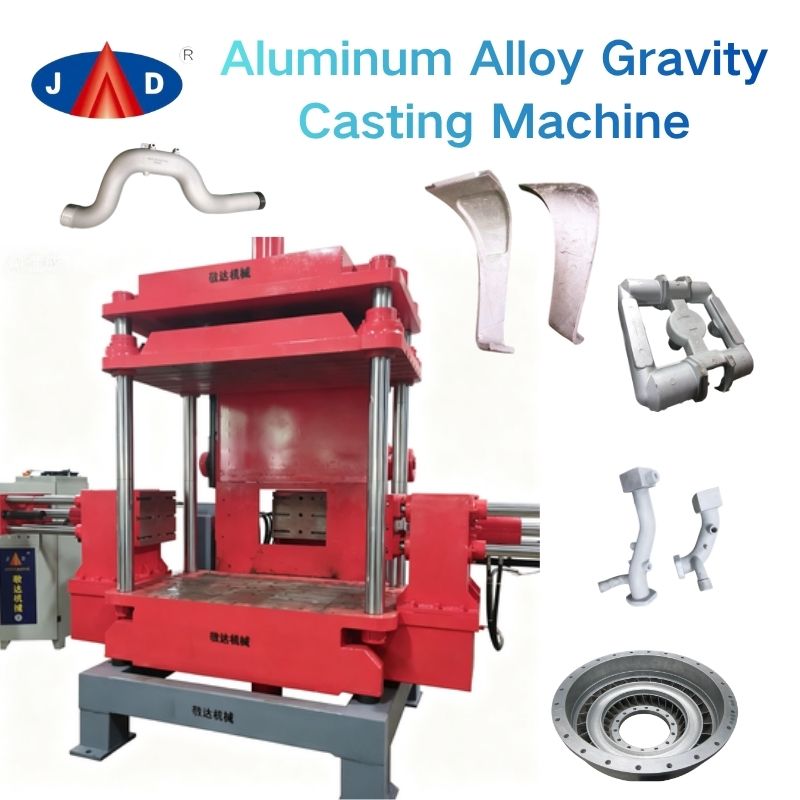
Castings used for structural components that must maintain performance under extreme pressure and temperature fluctuations. Typical gravity-cast aerospace parts: Support brackets and hinges for aircraft structures Pump housings and compressor covers Heat-resistant covers for engine com...
Read More
Overseas OEMs and importers often face a common challenge when procuring non-standard aluminum alloy castings: the parts have unique structures, there are no standard readily available parts on the market, and custom development must begin from the drawings. This process involves process selection,...
Read More
When overseas OEMs and importers search for aluminum alloy casting suppliers in China, they often face a common question: should my product be manufactured using gravity casting or low-pressure casting? This decision impacts mold design, production costs, and part performance; choosing the right opt...
Read More
In the core-making process, the functional configuration of the core shooter directly determines the filling quality, dimensional accuracy, and production efficiency of the sand core. Different configuration choices will produce significant differences in long-term use. Understanding the role and ap...
Read More
In foundry production, the quality of the sand core often determines the success or failure of the casting's internal cavities. If a sand core lacks sufficient compaction, the molten aluminum may wash it away during pouring; if there are localized loose areas, unwanted protrusions may appear in the...
Read More