

What Are You Looking For?
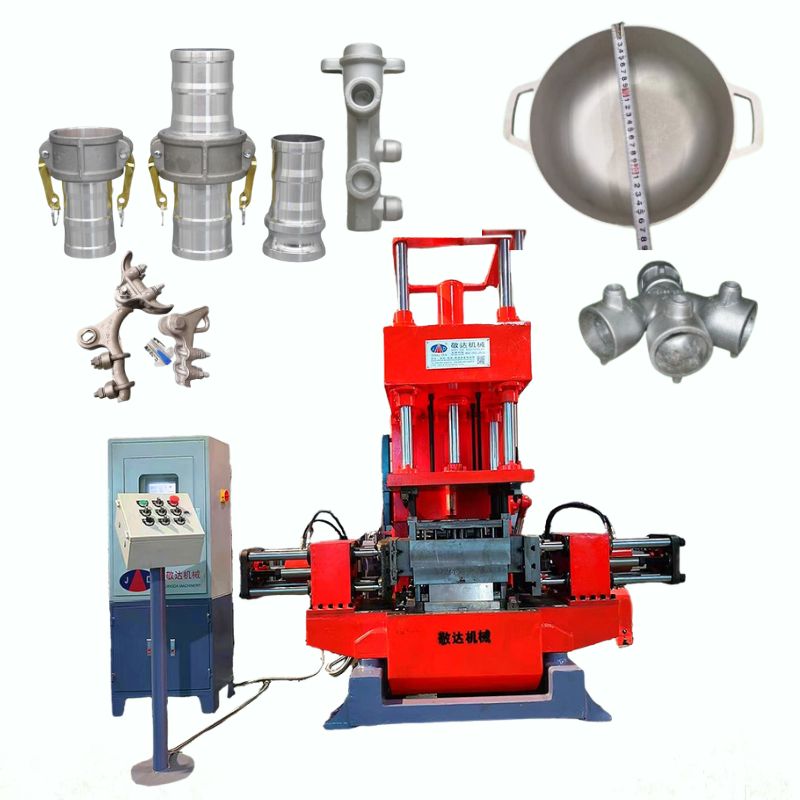
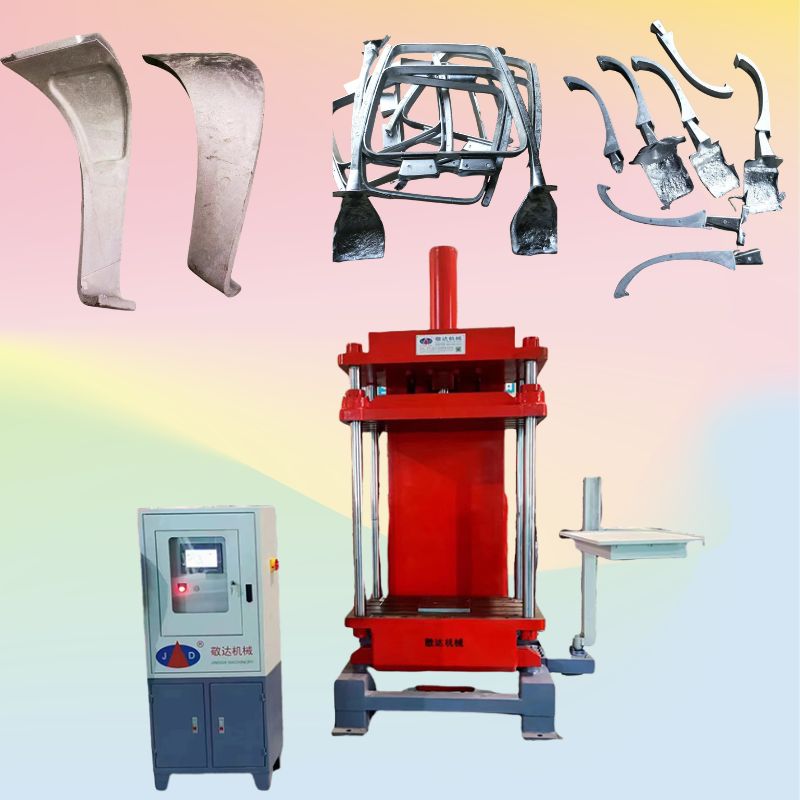
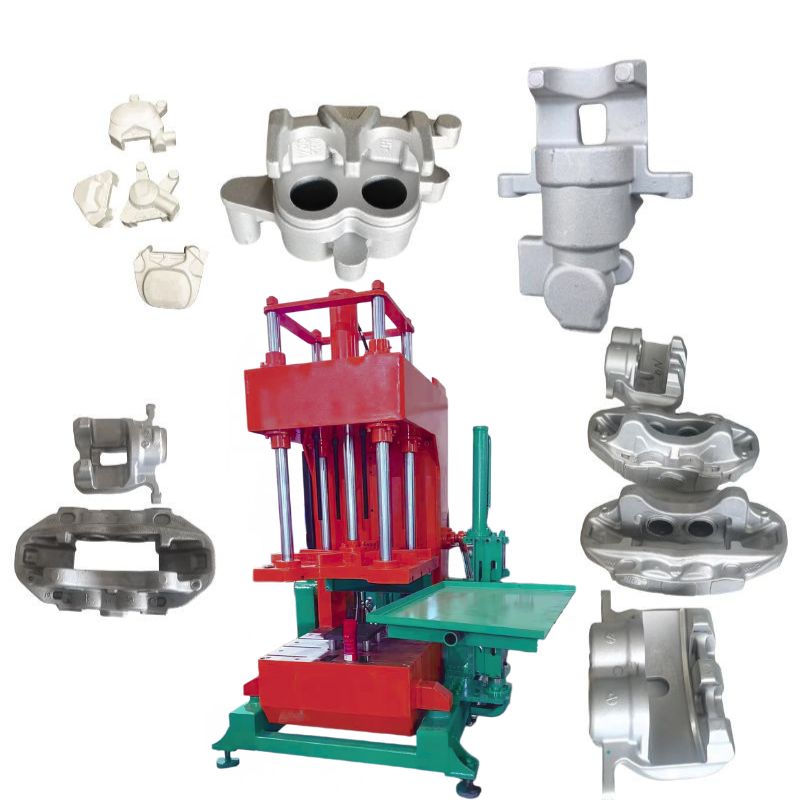
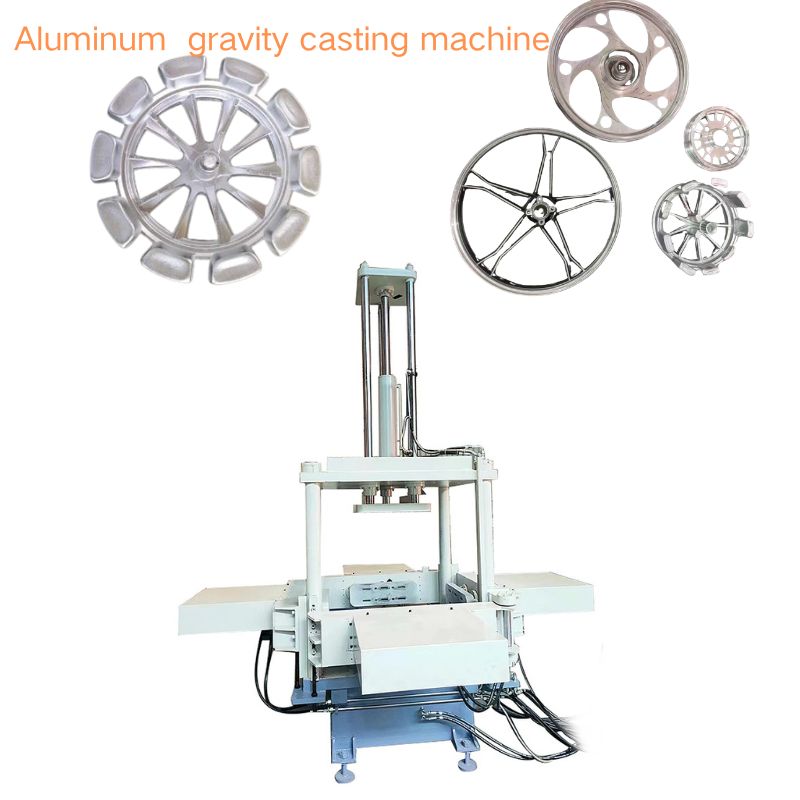
Foundries often handle orders involving a variety of aluminum alloy grades. A pump housing might be cast in A356 one day, while a bracket is cast in ADC12 the next; these alloys differ significantly in terms of fluidity, solidification characteristics, and required pouring temperatures. A gravity casting machine's ability to rapidly adapt to these variations directly impacts the workshop's changeover efficiency and casting quality. As an original manufacturer of foundry equipment, Jingda Machinery has designed its gravity casting machines with the practical requirements of multi-alloy production in mind.
**Adjustable Segmented Tilting Speeds to Match Alloy Fluidity**
Fluidity varies markedly among aluminum alloys. A356 has moderate fluidity, allowing for a slightly faster mold-filling speed, whereas ADC12 offers excellent fluidity but possesses a different solidification range, necessitating adjustments to the tilting rhythm. Jingda Machinery’s gravity casting machines support segmented tilting speed settings, allowing independent adjustment of speeds for the initial movement, main filling phase, and final stage. Once operators fine-tune the parameters based on alloy characteristics, they can save them as a dedicated recipe for instant recall during future production runs of the same alloy.
**Wide Mold Temperature Control Range to Suit Various Pouring Temperatures**
Different aluminum alloys require distinct pouring temperatures, necessitating corresponding adjustments to the mold's operating temperature. Jingda Machinery’s gravity casting machines feature integrated mold heating and temperature control systems; preheating temperatures can be set across a wide range, and cooling circuits automatically maintain the mold temperature during production. Whether processing aluminum-silicon or aluminum-copper alloys, operators can easily identify and set the optimal temperature window.
**Parameter Recipe Storage: Switch Alloys Without Changing Equipment**
Multi-alloy production entails frequent changes to process parameters. The control system on Jingda’s gravity casting machines supports the storage of multiple recipes, saving settings—such as tilting speeds, mold temperatures, and cooling parameters—specific to each alloy. During a changeover, the operator simply selects the corresponding recipe number, and the equipment automatically loads all settings, eliminating the need for recalibration. For foundries producing multiple alloy grades simultaneously, this feature reduces changeover downtime and minimizes the risk of parameter-setting errors.