

What Are You Looking For?
In the modern foundry industry, producing castings with complex internal structures requires reliable core-making technology. Sand cores play a vital role in creating cavities, channels, holes, and other internal features in metal castings. As manufacturers continue to pursue higher productivity, better quality, and more consistent production, sand core machines have become an essential part of many casting operations.
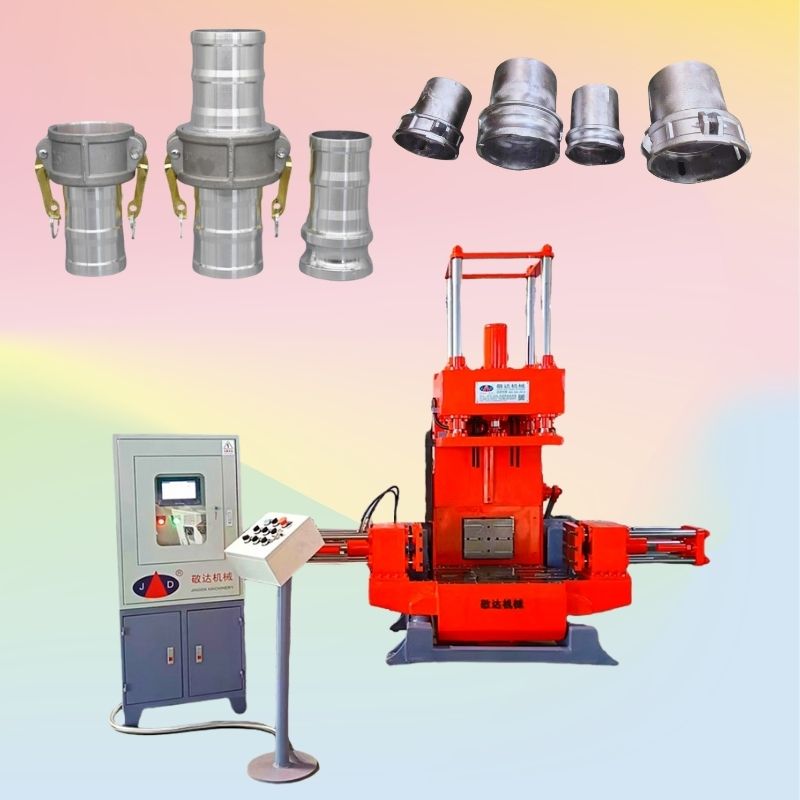
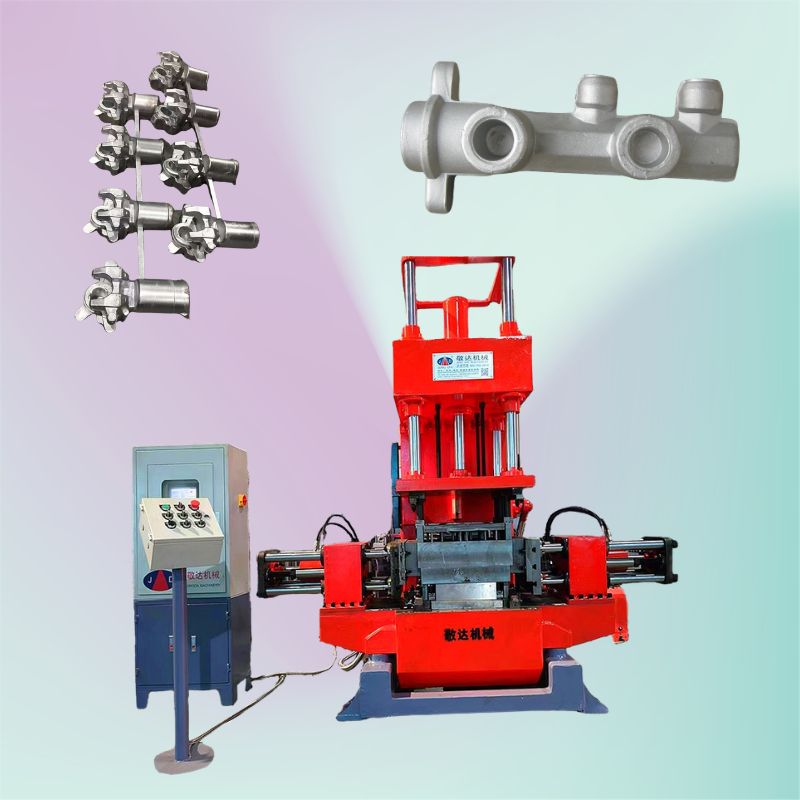
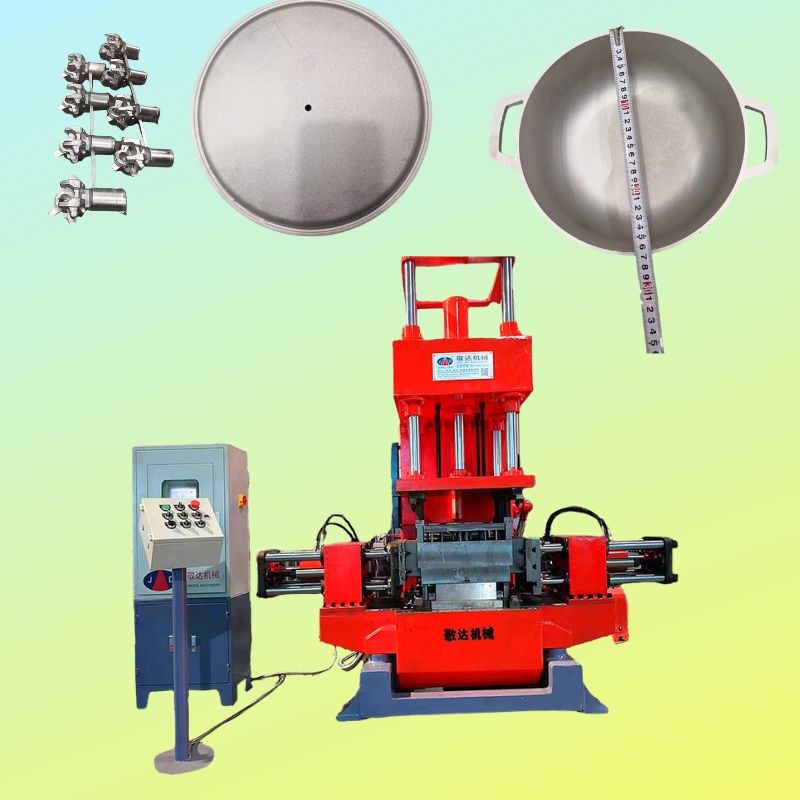
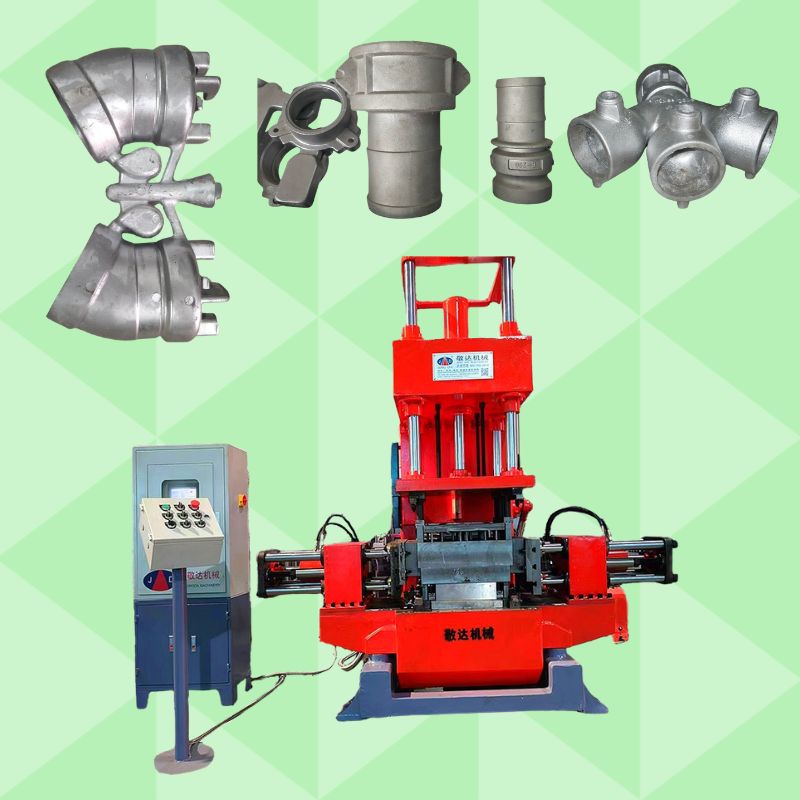
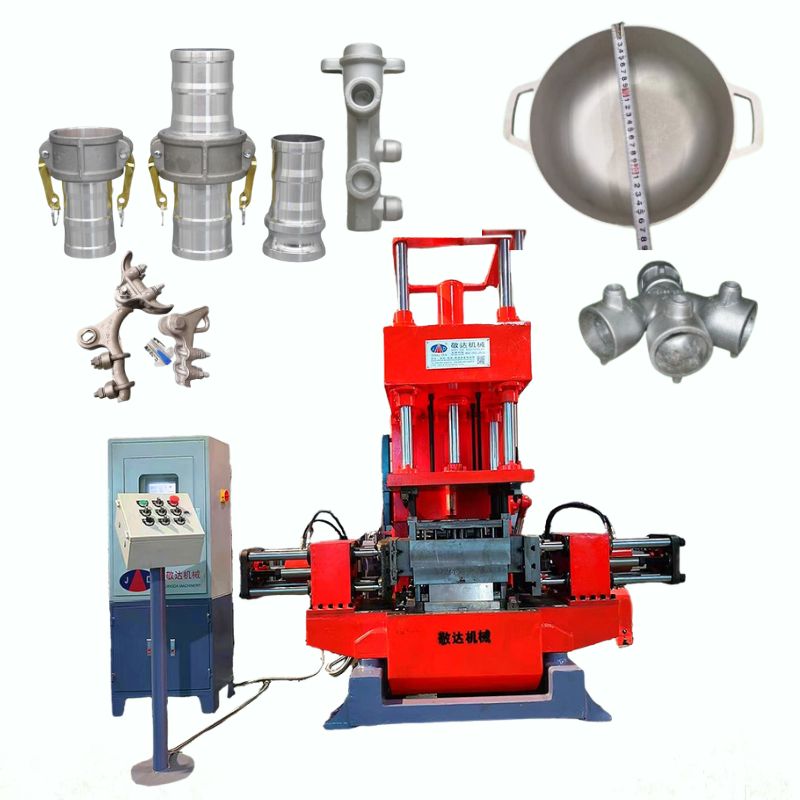
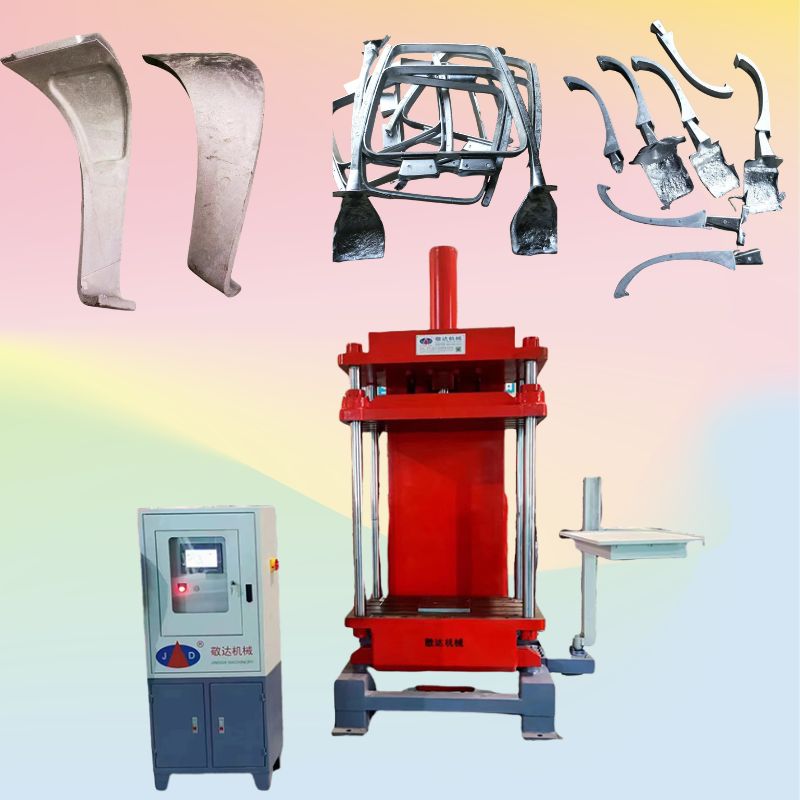
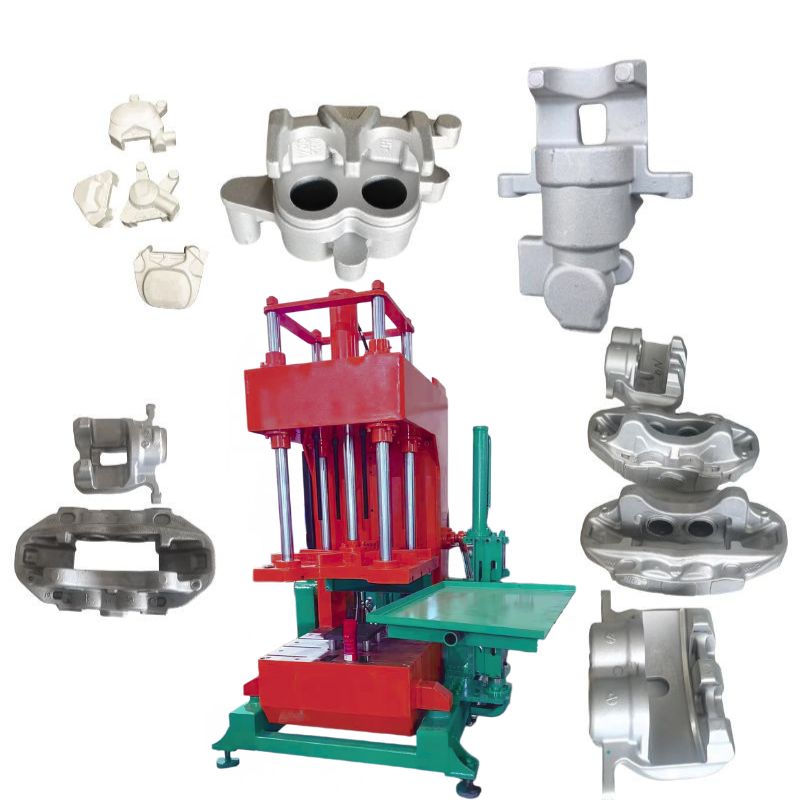
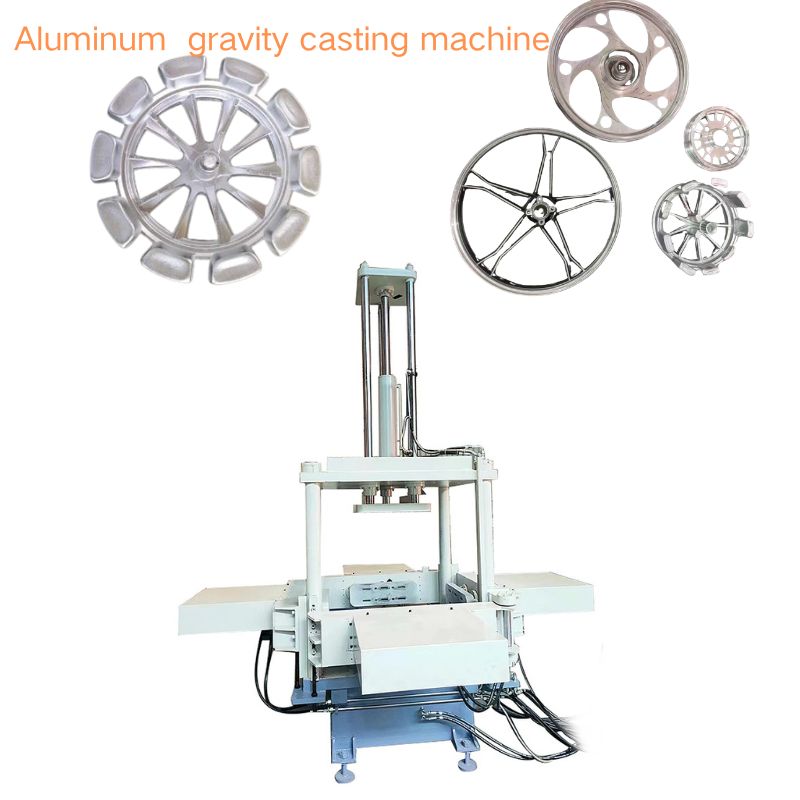
A sand core machine is industrial equipment designed to produce sand cores used in metal casting. By using core sand and a specially designed core box, the machine forms sand cores with specific shapes and dimensions. Depending on the production requirements, different types of sand core machines can be used for various core-making processes, including resin-coated sand core shooting and other automated core production methods.
These machines are widely used in the production of automotive components, pump bodies, valve parts, pipe fittings, hardware products, and various aluminum and copper alloy castings.
Automated sand core machines help reduce manual operations and shorten core-making cycles. With efficient sand shooting, heating, curing, and core removal processes, manufacturers can improve production output while maintaining stable production schedules.
The use of automated control systems helps maintain consistent shooting pressure, heating conditions, and production parameters. This reduces variations between cores and helps improve the dimensional consistency of castings.
Sand cores make it possible to manufacture castings with internal passages, hollow structures, and complicated geometries. A suitable core-making machine can help foundries produce cores that meet the requirements of different casting designs.
Automated core-making equipment can reduce repetitive manual work, improve workplace efficiency, and help manufacturers optimize labor allocation. Depending on the machine configuration, operators can manage multiple production tasks more efficiently.
Sand core machines can be configured according to different core sizes, shapes, production volumes, and process requirements. This flexibility makes them suitable for both small and medium-sized foundries and larger industrial casting operations.
When selecting a sand core machine, manufacturers should consider several important factors, including core dimensions, core box design, production capacity, heating requirements, automation level, and the type of sand used.
A machine that matches the production process can help improve efficiency, reduce waste, and achieve more stable casting quality. For foundries planning to upgrade their production lines, investing in suitable core-making equipment is an important step toward improving overall manufacturing performance.
Sand core machines are an important part of modern casting production. By improving core-making efficiency, maintaining consistent quality, and supporting complex casting designs, they help foundries meet the growing demands of industrial manufacturing.
As casting technology continues to evolve, efficient and reliable core-making equipment will remain an important solution for foundries seeking better productivity, improved quality, and long-term competitiveness.